This article is for informational purposes only and does not constitute professional mental health advice or create a therapist-client relationship.
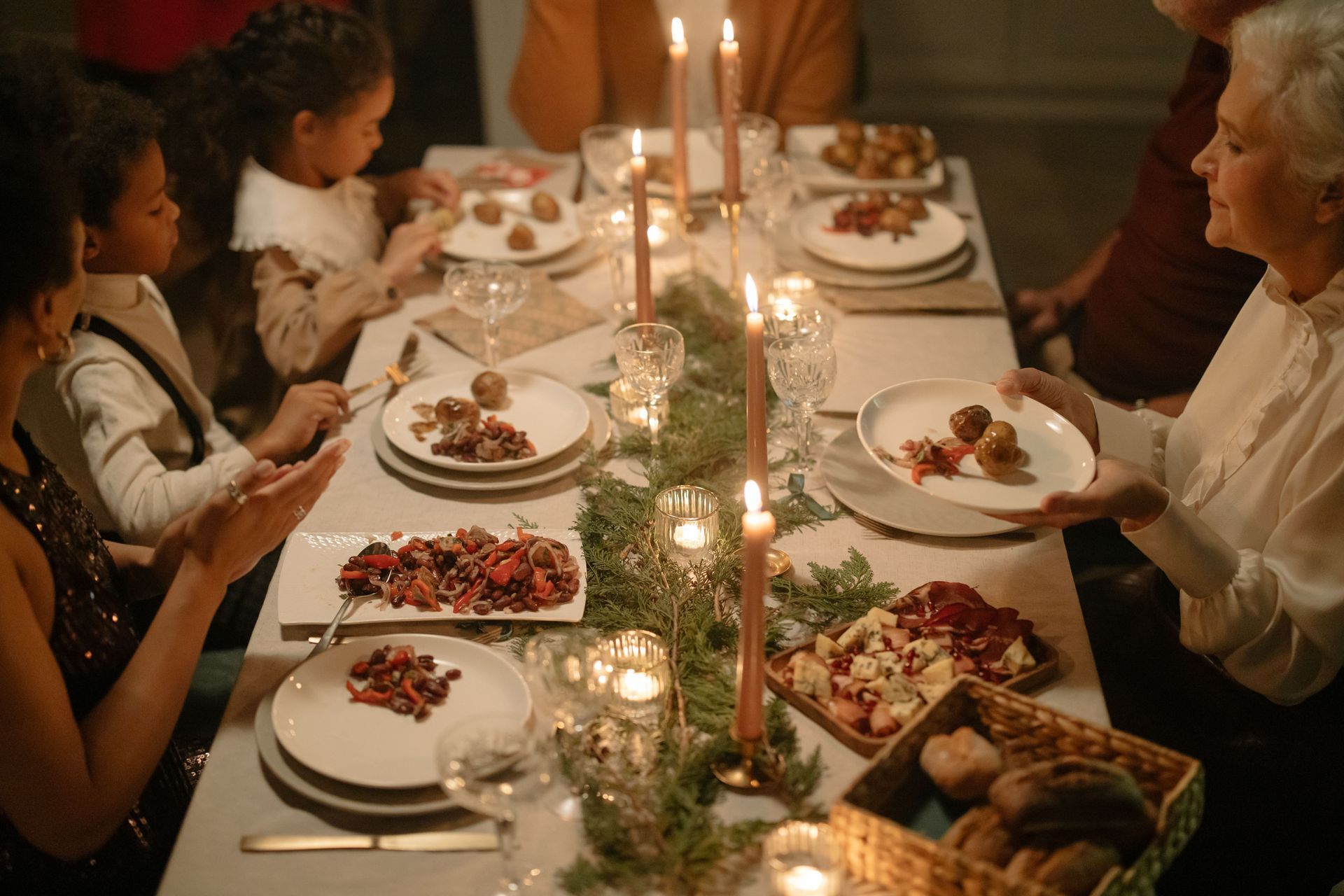
The house is full. Someone’s laughing in the kitchen, the game is on in the other room, and your niece is passing her phone around with photos from her trip. You’re standing by the counter, keeping one eye on your mom, and it feels like you’re watching all of it through a window.
Everyone you love is in the room, and you still feel alone.
If that sounds familiar, you’re not imagining it, and you’re not ungrateful. Dementia caregiver loneliness is real, and the holidays can make it louder.
Lonely in a full room
We tend to think of loneliness as being by yourself. For caregivers, it often looks different. You’re rarely physically alone. You might not have had an hour to yourself in months.
Loneliness has less to do with how many people are around you than with whether anyone around you understands what your days are actually like. You can be surrounded by family and still feel like the only person who knows what this year has asked of you.
The gap between the gathering and your everyday life
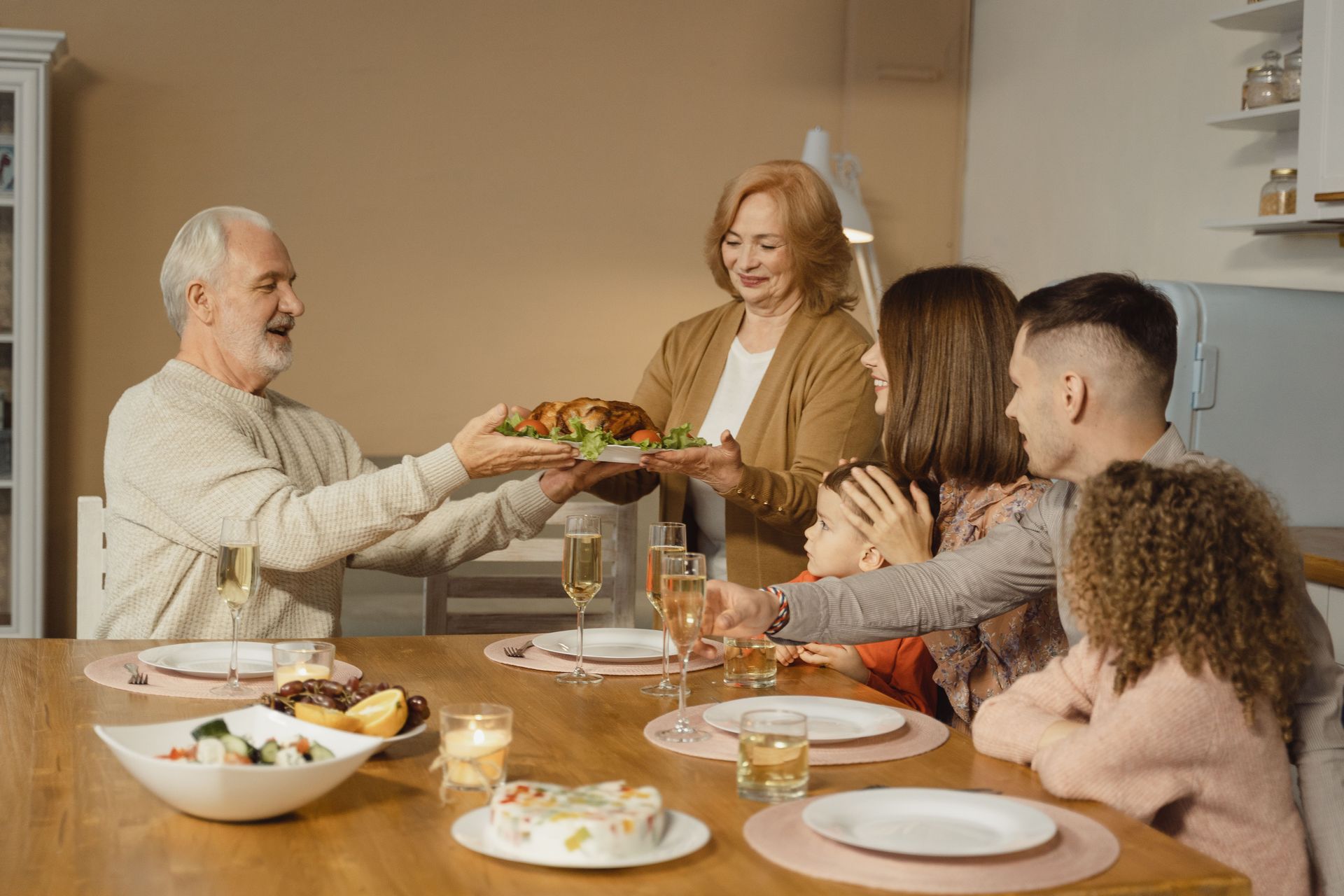
Holiday gatherings show your family a small slice of your caregiving life. They see a few good hours. They see your dad smiling at the grandkids, eating his pie, maybe telling an old story. They don’t see the three o’clock wake-up, the twenty minutes it took to get his shoes on this morning, the multiple phone calls to the doctor’s office, or the way you planned the whole day around his best window so this would go smoothly.
Much of what you do is invisible by design. The better you manage things, the less anyone else notices there’s anything to manage.
So when a cousin says, warmly, “He looks so good!” it can land in a strange way. They may mean well, but it can still feel lonely to hear that when they’re seeing him on a good afternoon and you’re the one who knows what the rest of the week looks like.
When you're caring for a spouse or partner
You may have spent decades walking into gatherings as a pair, splitting up the conversations and catching each other’s eye across the room. Now you’re the one hovering, watching, and stepping in. It’s hard to relax into a conversation when part of you is always tracking where your partner is.
People may ask, “How’s he doing?” and move on before anyone asks how you’re doing. Couple friends you used to see every December may have quietly drifted away. Even at a crowded table, you can feel like you’re carrying something no one else there is carrying.
When you're caring for an aging parent
Adult children often feel this loneliness among their own siblings and cousins. Your brother flew in for three days and wants to talk about old memories and his kids’ soccer season. You’re the one who knows the medication schedule and noticed that Mom hasn’t been eating much.
Nobody asks about your year, because to them it looks the same as always. Your own partner or kids may love you and still not fully understand why you seem far away. And if you’re making most of the care decisions, you can feel alone with the weight of them even when the whole family is at the same table.
Why this loneliness is hard to name
Caregivers often don’t say “I’m lonely,” even to themselves. It can feel ungrateful when people are right there. You may not want to bring down the mood, or you may worry it will sound like a complaint about your loved one. “I’m tired” is easier to say, so that’s what comes out.
Naming it still matters. Once you can say “I feel alone in this,” it gets a little easier to reach for someone who understands.
Small ways to feel less alone this season
None of these will make the loneliness disappear, but they can make it lighter.
- Tell one person one true thing. You don’t need to explain everything. Pick the person most likely to really listen, maybe a cousin, a friend, or the sibling you feel closest to, and say something simple: “This year has been harder than it looks.”
- Connect with other dementia caregivers. It can be a relief to talk with someone who understands what caregiving is like without having to explain everything first. I facilitate two free in-person dementia caregiver support groups each month in Redmond: the first Wednesday at Sunrise of Redmond and the second Thursday at Overlake Terrace, both from 6 to 7PM. Please contact the communities directly for details.
The Alzheimer’s Association’s 24/7 Helpline, 1-800-272-3900, can also point you to other support groups and community resources.
- Plan your after. The hour after everyone leaves can be the loneliest part of the day. Before the gathering, ask a friend if you can call or text them that evening, even for ten minutes.
- Look for small moments with your person that still fit. Connection may look different now. A slow walk to see the neighborhood lights, folding napkins together, or holding hands during a quiet stretch of the afternoon can be a real moment of closeness, even when conversation is hard.
- Ask yourself what kind of connection you’re missing. When you feel alone, it might help to ask, “What would help me feel a little less alone right now?” Maybe you want someone to ask how you’re doing and give you time to answer. Or maybe you want to talk with another caregiver who understands what your days are like.
If it’s hard to relax because you’re always keeping an eye on things:
Why Dementia Caregivers Feel Like They're Always on Alert.
If you miss how things used to feel with your partner:
Grieving the Partner You Once Knew.
If you’re planning a gathering or navigating family expectations:
Dementia and the Holidays.